






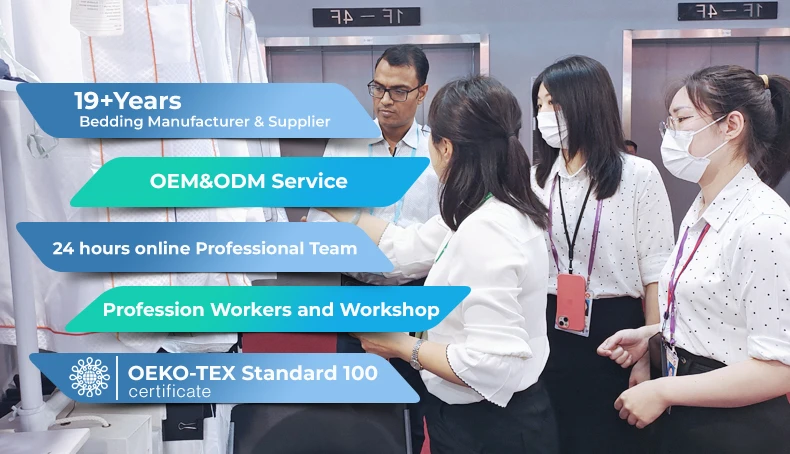
mattress protector suppliers
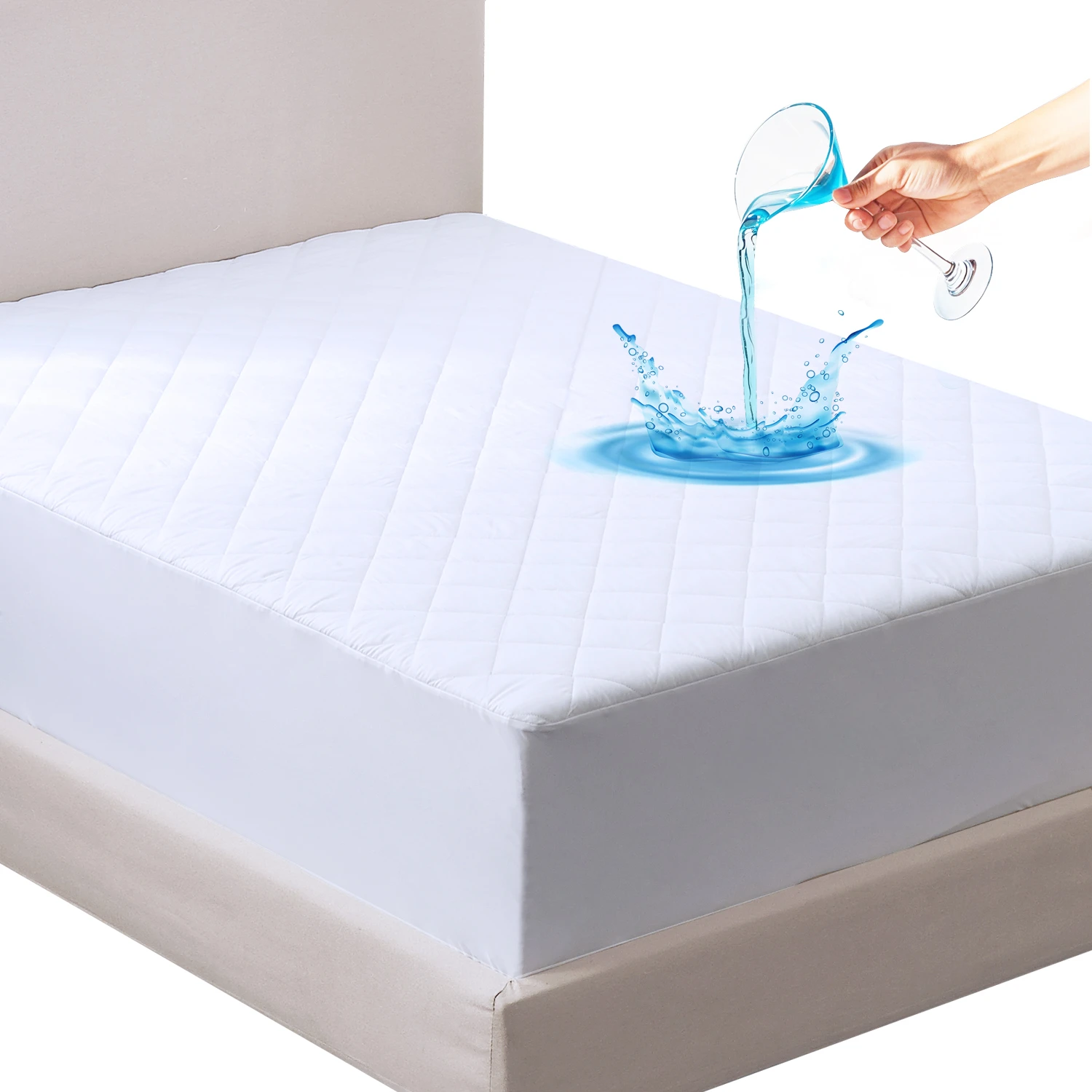
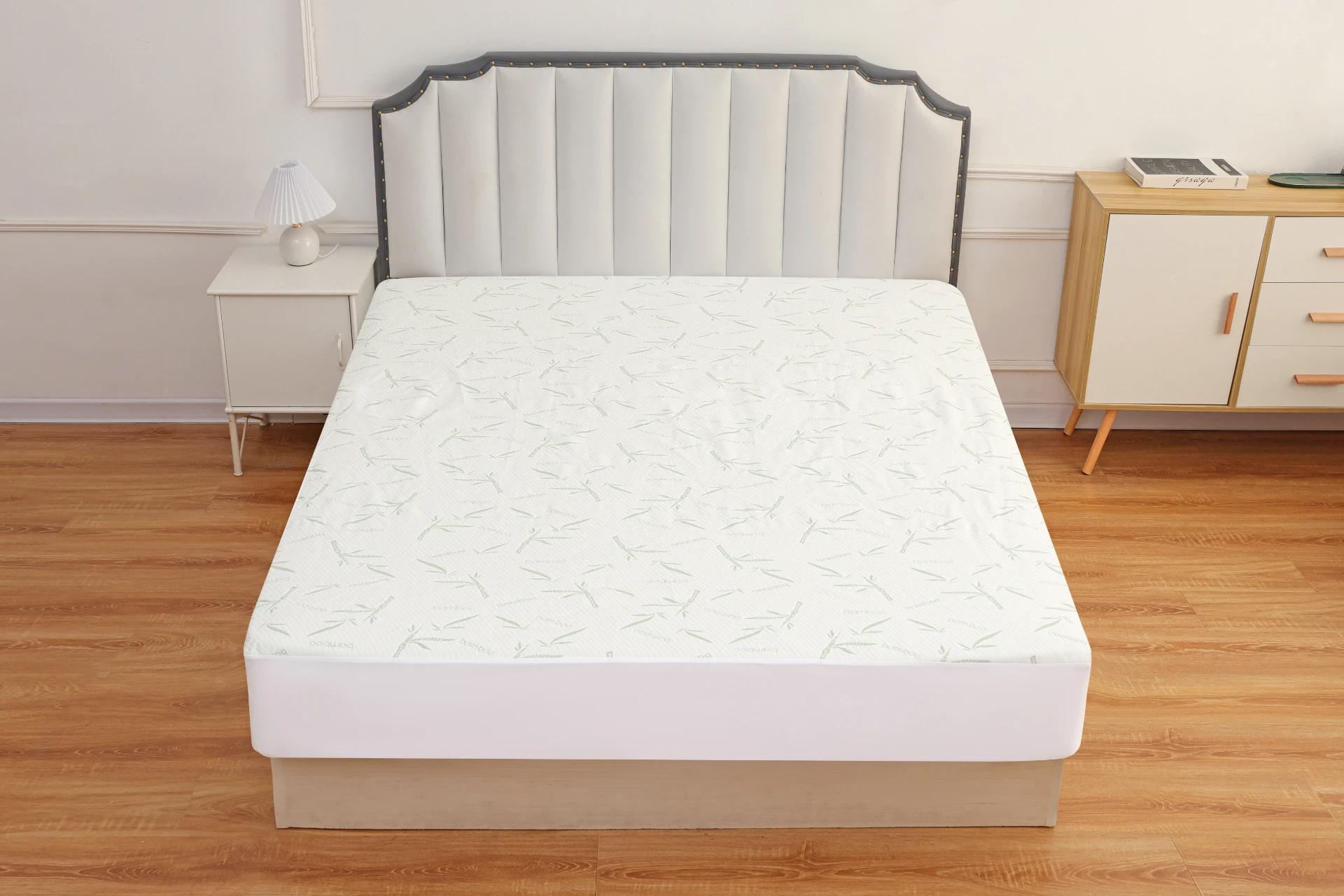
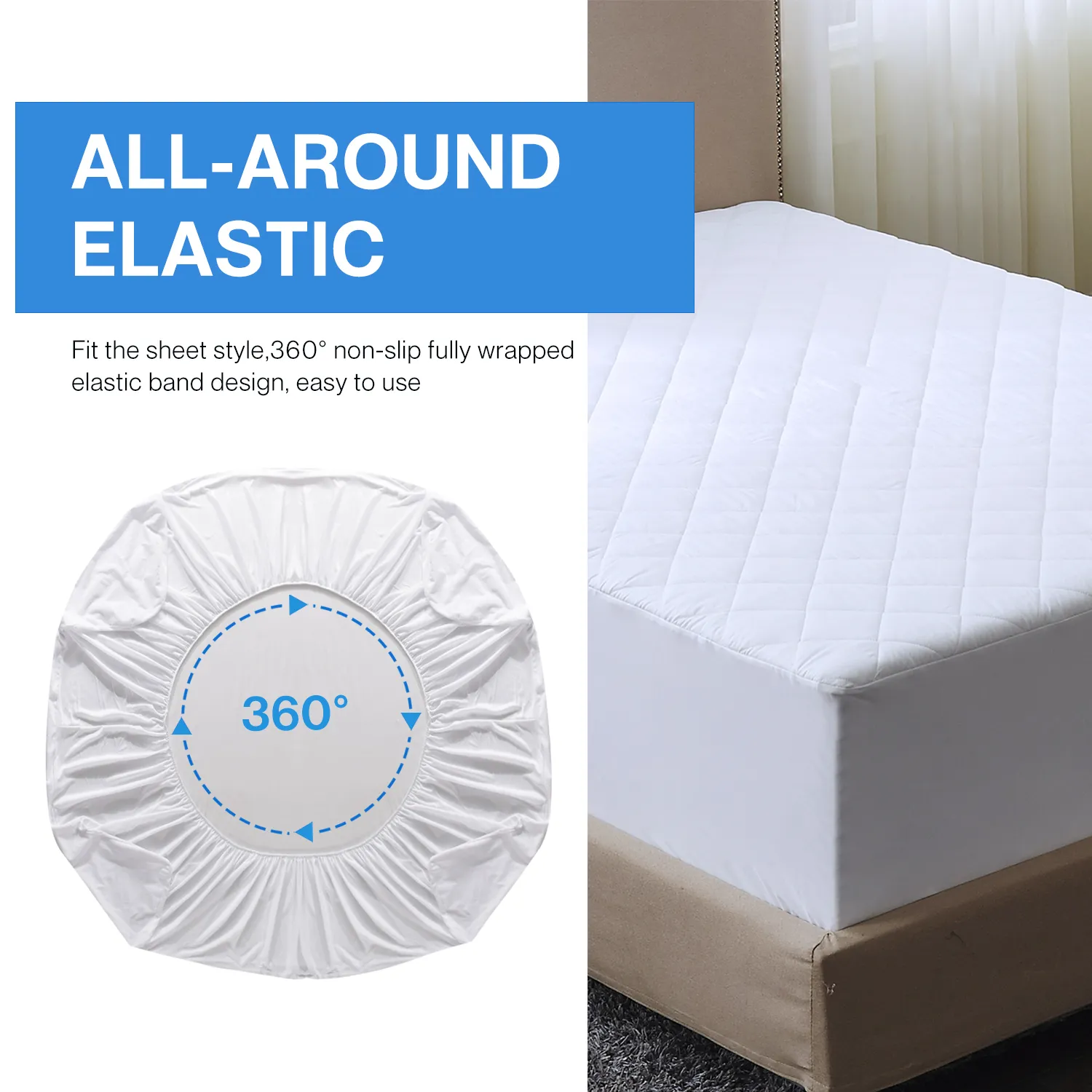
Industry Trends and Market Dynamics for Advanced Mattress Protection The demand for robust and hygienic bedding solutions in B2B sectors, including hospitality, healthcare, and educational institutions, continues to surge. Facilities managers and procurement specialists are increasingly prioritizing products that offer superior protection, durability, and cost-efficiency. A key driver in this market is the evolution of mattress protection technology, with the terry mattress protector emerging as a staple. This particular type of protector, often featuring a terry towelling surface laminated with a waterproof membrane, addresses critical industry needs: extending mattress lifespan, ensuring guest comfort, and maintaining stringent hygiene standards against allergens, liquids, and pests. Current trends emphasize noiseless, breathable, and hypoallergenic properties, moving beyond basic water resistance to comprehensive barrier solutions. The integration of advanced materials and manufacturing techniques aims to provide a seamless user experience while upholding maximum protective integrity. Furthermore, the push for sustainability and compliance with international health standards, such as OEKO-TEX certifications, is reshaping product development, ensuring that solutions like the terry mattress protector are not only effective but also safe for sensitive populations. The market for specialized bedding solutions, particularly those offering enhanced durability and hygiene, is projected to grow by 6.2% annually, driven by stricter health regulations and consumer awareness regarding sleep hygiene. Technical Specifications and Material Science The effectiveness of a terry mattress protector is rooted in its technical specifications and sophisticated material composition. Typically, these protectors combine a soft, absorbent terry cloth surface with an impermeable backing, most commonly a polyurethane (PU) membrane. This dual-layer construction is engineered for specific performance parameters critical in demanding B2B environments. Surface Material: Premium terry towelling, often a blend of 80% cotton and 20% polyester. This blend offers the natural comfort and breathability of cotton with the enhanced durability and quick-drying properties of polyester. The looped pile structure of terry fabric maximizes surface area for absorption of minor spills while maintaining a plush feel. Waterproof Membrane: A thin, breathable thermoplastic polyurethane laminate (TPU) is typically bonded to the underside of the terry fabric. TPU is chosen for its excellent waterproof capabilities (measured by hydrostatic head pressure, typically >10,000 mm H2O), flexibility, noiselessness, and resistance to degradation from bodily fluids, oils, and common cleaning agents. It forms an impenetrable barrier against liquids, allergens, dust mites, and bed bugs, without hindering air circulation. Barrier Protection: A true waterproof terry cotton mattress protector offers complete encapsulation or a fitted skirt design. For bed bug proof variants, micron-level pore sizes (typically < 10 microns) in the fabric weave and advanced zipper closures with self-locking mechanisms ensure an impenetrable seal, preventing both bed bug entry and escape. Breathability: Despite its waterproof nature, the TPU membrane is designed to be micro-porous, allowing water vapor (perspiration) to escape. This contributes significantly to temperature regulation and occupant comfort, preventing heat buildup commonly associated with older, non-breathable vinyl protectors. Hypoallergenic Properties: The impermeable barrier function inherently prevents allergens such as dust mites, pet dander, and pollen from accumulating within the mattress, making it an ideal choice for sensitive users and healthcare environments. Product Specification Table: Terry Waterproof Bed Bug Proof Mattress Protector Feature Specification/Parameter Product Name Terry Waterproof Bed Bug Proof Mattress Protector Noiseless Mattress Cover Surface Fabric Composition 80% Cotton Terry / 20% Polyester Terry (or custom blends) Backing Material 100% Thermoplastic Polyurethane (TPU) Lamination Waterproof Rating (Hydrostatic Head) >10,000 mm H2O (ISO 811 standard) Bed Bug Barrier Efficacy Certified effective for bed bugs and dust mites (pore size < 10 microns) Allergen Barrier 100% against dust mites, pet dander, pollen Noise Level Noiseless (due to flexible TPU) Breathability (Moisture Vapor Transmission Rate) High (e.g., >1000 g/m²/24h) Fit Options Fitted Sheet Style / Zippered Encasement (deep pockets up to 18 inches) Standard Sizes Available Twin, Twin XL, Full, Full XL, Queen, King, Cal King Certifications OEKO-TEX Standard 100, ISO 9001 (Manufacturing), FDA Class 1 (as applicable) Manufacturing Process Flow for Advanced Terry Mattress Protectors The production of a high-performance terry mattress protector involves a series of meticulously controlled stages, ensuring both material integrity and functional efficacy. Unlike industrial components formed by casting or forging, textile manufacturing for these protectors relies on advanced weaving, precision lamination, and specialized sewing, all adhering to stringent quality protocols. 1. Material Sourcing & Inspection: High-grade cotton-polyester blend yarns are selected for the terry fabric, and a specialized thermoplastic polyurethane (TPU) film for the waterproof barrier. Incoming materials undergo rigorous inspection for consistency, tensile strength, yarn count, and absence of defects. All materials conform to internationally recognized standards such as OEKO-TEX Standard 100 for harmful substances, ensuring product safety and hypoallergenic properties. 2. Terry Fabric Production: The selected yarns are precisely knitted or woven into a plush terry towelling fabric. This process is optimized to achieve the desired loop height, density, and absorbency (typically 300-400 GSM), while maintaining a smooth and soft feel characteristic of quality terry towelling fitted bed sheets. Advanced knitting machines ensure uniform fabric construction, minimizing imperfections and maximizing durability. 3. TPU Membrane Extrusion & Lamination: The TPU raw material is precisely extruded into an ultra-thin (e.g., 0.02mm), flexible, and breathable membrane. This membrane is then bonded to the reverse side of the terry fabric using advanced thermal lamination or adhesive bonding techniques. This critical step ensures a permanent, waterproof bond that does not delaminate after repeated washing and maintains the breathability essential for a comfortable sleep environment. The resulting composite material is the core of the waterproof terry cotton mattress protector. 4. Cutting & Sewing: The laminated fabric is precisely cut into various mattress sizes (e.g., a mattress cover king waterproof) using automated CNC cutting machines for accuracy and minimal material waste. Skilled operators then assemble the cut pieces into fitted sheet styles or zippered encasements, utilizing reinforced double-stitched seams and high-quality, corrosion-resistant zippers where applicable. For bed bug proof variants, micro-zipper technology with an internal fabric flap (BugLock™ style) is incorporated to create an impermeable seal, preventing even microscopic pests. 5. Quality Control & Testing: Each production batch undergoes comprehensive quality assurance testing. This includes hydrostatic pressure tests to verify waterproof integrity (e.g., ISO 811, requiring >10,000 mm H2O), air permeability tests, and abrasion resistance tests (e.g., ASTM D4157, requiring >50,000 double rubs). Seam strength, zipper functionality, and dimensional stability after laundering are also meticulously checked. This ensures the product meets or exceeds stated performance metrics and international industry standards (e.g., ISO 9001 certified manufacturing), contributing to a projected service life of 5-10 years under typical B2B usage conditions. 6. Packaging & Distribution: Finished protectors are hygienically packaged, often in bulk or retail-ready formats, prepared for distribution to target industries such as hospitality (hotels, resorts, cruise lines), healthcare (hospitals, clinics, nursing homes), educational facilities (dormitories), and residential care homes. The emphasis on robust construction and adherence to standards ensures reliability and performance in demanding application scenarios, offering advantages like reduced mattress replacement costs and enhanced guest/patient satisfaction and health. Application Scenarios and Technical Advantages The versatility and robust protective qualities of the terry mattress protector make it an indispensable asset across a spectrum of B2B environments. Its advanced technical design provides distinct advantages over conventional or inferior mattress protection methods, driving operational efficiencies and enhancing user experience. Key Application Scenarios: Hospitality Sector (Hotels, Resorts, Motels): Essential for maintaining pristine mattresses, extending their operational life by up to 5 years, and ensuring a hygienic, comfortable experience for guests. A waterproof terry cotton mattress protector prevents stains from spills, sweat, and other accidents, significantly reducing deep cleaning cycles and premature mattress replacement costs (estimated 20-30% savings). Healthcare Facilities (Hospitals, Clinics, Nursing Homes): Critical for stringent infection control and patient hygiene. The bed bug proof and allergen barrier properties protect vulnerable patients, while the waterproof surface allows for easy disinfection and prevents the ingress of bodily fluids, which can otherwise compromise mattress integrity and sanitation, adhering to healthcare standards like those set by the CDC. Educational Institutions (Dormitories, Boarding Schools): Offers robust protection against spills, general wear and tear, and common dormitory pests like bed bugs and dust mites, ensuring a healthier and more durable sleeping environment for students. This minimizes disruption from pest infestations and reduces replacement frequency. Residential Care Facilities: Provides essential protection for mattresses, efficiently managing incontinence issues and maintaining a clean, sanitary environment for residents, thereby reducing the workload for care staff and enhancing residents' dignity and comfort. Luxury Apartments & Short-Term Rentals: Elevates the perceived value and cleanliness of the accommodation by offering superior hygiene and mattress protection, crucial for positive guest reviews and the longevity of property assets. Technical Advantages: Extended Mattress Lifespan: By creating an impenetrable barrier against liquids, stains, allergens, and pests, these protectors prevent premature degradation of expensive mattresses, translating to significant cost savings. Industry data suggests mattress protectors can extend mattress life by up to 50%, deferring capital expenditure. Superior Hygiene & Allergen Control: The combination of the absorbent terry surface and waterproof TPU membrane effectively traps allergens and prevents bacterial growth within the mattress. This is particularly beneficial for guests or patients with allergies or respiratory sensitivities, improving indoor air quality. Bed Bug & Dust Mite Protection: Specialized zippered encasements, particularly those designed as a terry towelling mattress protector with fine-gauge fabric and secure closures, offer certified protection against bed bugs and dust mites, crucial for public health and comprehensive pest management strategies. Breathable Comfort: Unlike traditional vinyl covers, modern TPU-backed protectors are breathable, allowing air to circulate and moisture vapor to escape. This prevents heat buildup and ensures a comfortable sleeping temperature without the crinkly noise, leading to enhanced user satisfaction. Easy Maintenance & Durability: Most terry protectors are machine washable and tumble dryable at high temperatures, simplifying laundry processes for B2B operations and ensuring quick turnaround times while maintaining sanitary conditions. Their robust construction withstands frequent industrial laundering. Vendor Comparison and Customized Solutions When selecting a supplier for a high-volume order of terry mattress protector products, B2B buyers must critically evaluate not just product specifications but also manufacturing capabilities, certification compliance, and the capacity for tailored solutions. This strategic decision impacts long-term operational costs and client satisfaction. Key Differentiators in Vendor Comparison: Criteria Standard Vendor Offerings Premium/Specialized Vendor (e.g., BedEncasement) Material Quality Basic cotton/polyester blends, standard PU film; inconsistent GSM. High-count cotton-rich terry (e.g., 80% Cotton), advanced noiseless TPU membrane, OEKO-TEX certified, consistent 350+ GSM. Waterproof Performance Adequate for minor spills; lower hydrostatic pressure rating (e.g., <5,000 mm H2O). Superior hydrostatic pressure (>10,000mm), robust against heavy fluid exposure, independently tested. Bed Bug/Allergen Protection Basic barrier, not always independently certified bed bug proof; wider pore sizes. Certified micro-zipper technology, pore size tested for bed bugs & dust mites (<10 microns), entomology lab verified. Durability & Service Life Standard commercial use (3-5 years); limited industrial wash resistance. Enhanced tear/abrasion resistance (e.g., >50,000 rubs), industrial laundering compatibility (up to 90°C), projected 5-10 years+. Customization Options Limited to standard sizes; no material blend changes. Tailored sizes, specific material blends (e.g., bamboo terry), branding, specialized closures, bulk packaging, flame retardancy options. Certifications Often basic or lacking critical certifications for safety/performance. OEKO-TEX Standard 100, ISO 9001 (Manufacturing), FDA Class 1 (if applicable), specific entomology certifications. Customized Solutions: Tailoring for Specific B2B Needs Many B2B environments have unique requirements that standard off-the-shelf mattress protectors cannot fully meet. Customization capabilities are paramount for optimal integration, performance, and compliance within specialized operations. Bespoke Sizing & Fit: For non-standard beds common in healthcare facilities (e.g., adjustable beds, gurneys), specialized hospitality (e.g., RVs, cruise lines), or unique residential settings, custom dimensions ensure a perfect fit. This is crucial for full protection, ease of use, and aesthetic integration. This can extend to a custom mattress cover king waterproof solution for unique luxury beds or extra-deep mattresses. Material Blends & Weight: Adjusting the cotton-to-polyester ratio in the terry fabric can optimize for specific traits, such as increased absorbency for acute care, enhanced quick-drying for high-turnover hospitality, or heavier GSM for increased durability in correctional facilities. Closure Mechanisms & Skirt Depth: While fitted sheet styles are common, zippered encasements offer superior bed bug and allergen protection. Customization might involve specialized zipper designs (e.g., rust-proof, tamper-proof), different elastic skirt depths to accommodate varying mattress heights, or alternative attachment methods for specific bed frames. Branding & Packaging: Incorporation of client logos (e.g., embroidered or heat-stamped), specific labeling instructions for laundering or departmental use, or bulk packaging solutions tailored for efficient inventory management and distribution within large organizations. Specialized Treatments: For certain institutional environments, incorporating fire-resistant (FR) treatments to meet specific safety regulations (e.g., Cal 117, NFPA 701) or antimicrobial finishes can be a critical customization option, enhancing safety and hygiene. Application Case Studies and Real-World Impact The deployment of high-quality terry mattress protector solutions has yielded demonstrable positive outcomes across various institutional settings, validating their technical advantages and cost-effectiveness through real-world operational improvements. Case Study 1: Luxury Hotel Chain - Enhanced Guest Experience & Asset Protection A prominent international luxury hotel chain with over 20,000 rooms faced recurring issues with mattress stains and the associated costs of deep cleaning and premature mattress replacement, impacting their brand reputation and guest satisfaction scores. After implementing a comprehensive rollout of premium terry towelling mattress protector covers across all properties, the chain reported a 70% reduction in mattress stain incidents over a 12-month period. Guest feedback indicated improved satisfaction regarding bedding hygiene and comfort, with no complaints about crinkling noise. This directly resulted in an estimated annual saving of $250,000 in mattress maintenance and replacement costs, representing a return on investment within 18 months, directly attributed to the protective barrier and extended mattress life. Case Study 2: Regional Hospital Network - Infection Control & Allergen Management A network of three regional hospitals with 750 patient beds sought to bolster their infection control protocols and provide a more sterile, allergen-free environment for patients, particularly those with respiratory conditions. They opted for zippered, bed bug proof waterproof terry cotton mattress protectors for all patient beds, selecting a vendor that provided OEKO-TEX certified products. Post-implementation, the hospitals observed a significant decrease (40%) in documented instances of mattress contamination by bodily fluids, as evidenced by internal audit data. Furthermore, patient complaints related to allergies and dust mites notably declined by 45%. The ease of cleaning and industrial laundering capability of the protectors also streamlined sanitation processes for staff, improving operational efficiency in bed changeover times by approximately 20%, leading to better resource allocation. Case Study 3: University Dormitory System - Durability & Pest Prevention A major university managing over 10,000 dormitory beds encountered severe challenges with mattress damage from student spills and persistent bed bug outbreaks, leading to substantial financial outlays for pest control and premature mattress replacement. By installing heavy-duty terry mattress protector encasements on all beds, the university achieved a near-elimination of bed bug infestations on treated mattresses and a dramatic reduction in fluid-related mattress damage. Over two academic years, mattress replacement rates dropped by 60%, and pest control expenses specifically related to beds were cut by 85%, representing an annual saving of over $150,000. This created a significantly healthier and more durable living environment for students and reduced administrative burden. Commitment to Trustworthiness: FAQ, Fulfillment, and Support Frequently Asked Questions (FAQ) Q: How does a terry mattress protector differ from a standard vinyl cover? A: Unlike noisy, non-breathable vinyl, a terry mattress protector offers a soft, absorbent cotton-blend terry surface. It provides superior breathability via a flexible TPU membrane, is typically noiseless, and significantly more comfortable. It combines full waterproof and often certified bed bug proof capabilities with a luxurious feel. Q: Are these protectors suitable for industrial laundering? A: Yes, premium terry mattress protector products are specifically engineered to withstand frequent industrial washing and high-temperature drying cycles (up to 90°C/194°F). This ensures optimal hygiene, sanitation, and longevity in demanding B2B environments such as hospitals and hotels. Always refer to specific product care labels for detailed instructions. Q: What certifications should I look for when purchasing? A: Key certifications include OEKO-TEX Standard 100 (ensuring textiles are free from harmful substances), ISO 9001 (for robust quality management systems in manufacturing), and specific laboratory tests for waterproofness (e.g., hydrostatic pressure rating via ISO 811) and bed bug barrier efficacy (verified by entomology lab testing). Q: Can these protectors really prevent bed bugs? A: Yes, specialized zippered mattress encasements are designed with a micro-zipper closure system and finely woven fabric with pore sizes typically less than 10 microns. This construction creates an impermeable physical barrier to bed bugs and dust mites, preventing both ingress and egress, making them an essential component of an effective pest management strategy for B2B institutions. Lead Time and Fulfillment Details Our standard lead time for bulk orders of Terry Waterproof Bed Bug Proof Mattress Protector units ranges from 4 to 8 weeks, depending on the specific order volume, customization requirements, and current production schedules. We operate with robust manufacturing capacities to handle large-scale institutional demands efficiently. Expedited manufacturing and shipping options are available upon request for urgent requirements. We maintain a reliable global supply chain and utilize efficient logistics partners to ensure timely and secure delivery to your facilities worldwide. Detailed production and delivery schedules are provided upon order confirmation, with regular updates throughout the process for complete transparency. Warranty Commitments We stand firmly behind the quality, durability, and performance of our products. Each Terry Waterproof Bed Bug Proof Mattress Protector Noiseless Mattress Cover comes with a comprehensive 10-year warranty against manufacturing defects in materials and workmanship under normal commercial use and proper care. This extensive warranty period underscores our unwavering commitment to providing long-lasting, reliable, and high-value solutions for our B2B partners, minimizing your total cost of ownership. Specific warranty terms and conditions are detailed in our sales agreements and product documentation. Customer Support and After-Sales Service Our dedicated B2B customer support team comprises experienced professionals available to assist with product selection, technical inquiries, customization consultations, order tracking, and any after-sales service needs. We provide comprehensive documentation for product care and maintenance to ensure optimal performance and longevity. For immediate inquiries, please contact our B2B sales division at sales@bedencasement.com or call us directly at +1-XXX-XXX-XXXX (Note: Replace with actual contact details). We are committed to building long-term, mutually beneficial partnerships based on trust, exceptional product quality, and unparalleled customer service. References 1. OEKO-TEX Association. (n.d.). STANDARD 100 by OEKO-TEX®. Retrieved from www.oeko-tex.com 2. International Organization for Standardization. (n.d.). ISO 9001: Quality management systems. Retrieved from www.iso.org 3. ASTM International. (n.d.). ASTM D4157 / D4157M - 13 Standard Test Method for Abrasion Resistance of Textile Fabrics (Oscillatory Cylinder Method). Retrieved from www.astm.org 4. American Academy of Allergy, Asthma & Immunology. (n.d.). Dust Mite Allergy. Retrieved from www.aaaai.org 5. Centres for Disease Control and Prevention. (n.d.). Bed Bugs. Retrieved from www.cdc.gov 6. MarketsandMarkets. (2023). Textile Dyes Market. (Market data used for growth projections, general industry trend).



Address
1010, ZHONGYUAN BUILDING, NO.368 NORTH YOUYI STREET. SHIJIAZHUANG,HEBEI,CHINA.


